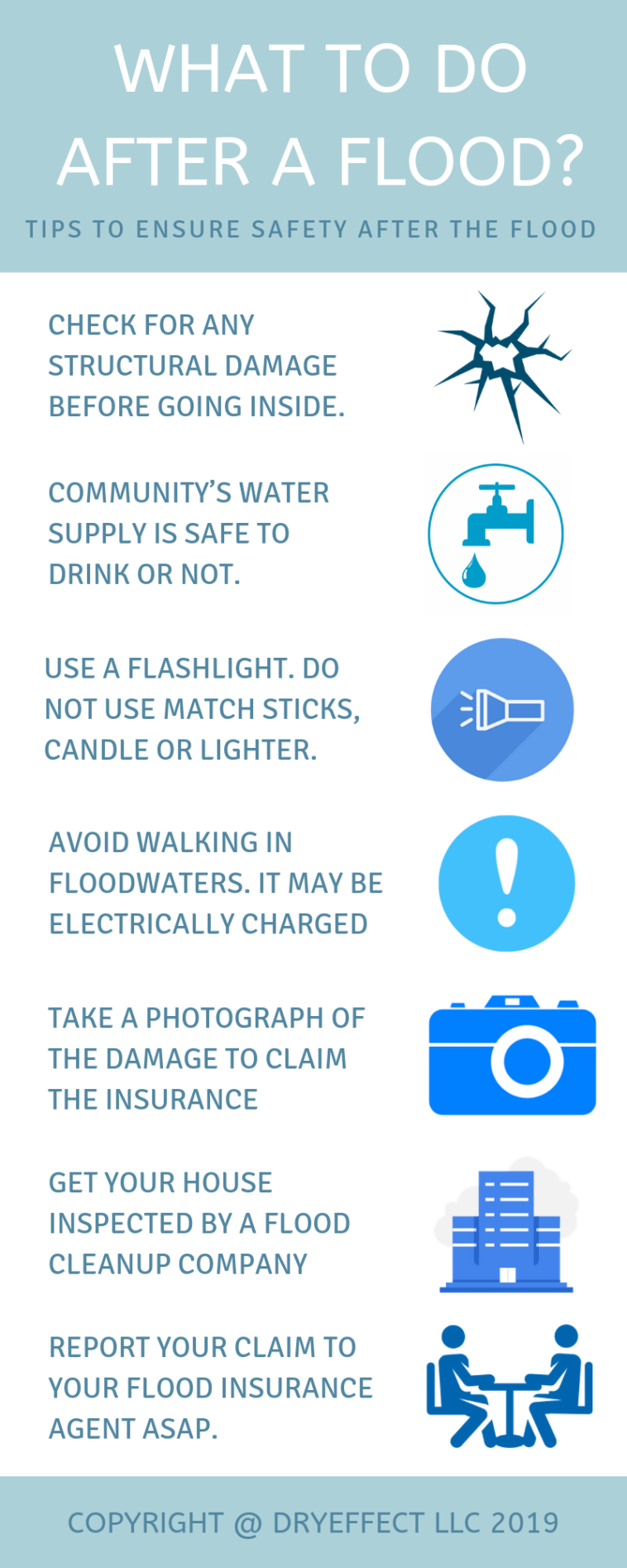
When your home encounters flood damages, quick action is vital. You need to evaluate the situation very carefully and focus on safety. Shutting off the electrical energy and eliminating standing water are your primary steps. However that's just the beginning. Comprehending the signs of water damages and understanding exactly how to avoid mold and mildew can make all the difference. What techniques can help you restore your home successfully and safeguard it for the future? Let's explore hazardous material removal .
Identify Secret Indicators of Water Damage
If you believe your home has actually dealt with flood damages, acknowledging the trick indications early can conserve you time and money.
Begin by looking for infectious waste on wall surfaces, ceilings, or floors; these typically suggest past or existing dampness problems.
Pay attention to any type of stuffy odors, as they can signify mold and mildew development.
Evaluate your baseboards and cut for bending or staining, which recommends extended exposure to water.
Look for gurgling or peeling paint, also, as this can suggest water is caught beneath the surface area.
Finally, inspect your carpets and floor covering for moisture or mold and mildew; these products can take in water promptly.
Tips to Remove Water and Dry Your Home
After finding the indicators of water damages, it's time to take action and remove the water from your home. Initially, ensure your security by shutting off the electrical power in affected areas.
Next off, make use of a submersible pump or shop vacuum to eliminate standing water. Open up windows and doors to boost air flow, and set up followers to aid with drying out.
When possible, eliminate carpets and furnishings to avoid more damages. For difficult surface areas, use mops and towels to soak up excess wetness.
Do not fail to remember to examine hidden https://lowes-kitchen-remodeling00887.snack-blog.com/41039223/simply-when-you-believe-recuperation-can-not-happen-explore-crucial-steps-for-guiding-fire-damage-restoration-and-making-the-most-of-your-insurance-coverage-asserts-properly like behind walls and under cupboards.
Lastly, check the humidity degrees; a dehumidifier can assist speed up the drying process, guaranteeing your home returns to regular as promptly as possible.
Protect Against Mold And Mildew and Architectural Issues After Flooding
To avoid mold and mildew and architectural problems after flooding, you need to act swiftly and successfully. Beginning by removing standing water within 24 to two days. Usage pumps and wet vacs to draw out water, then relocate to drying out the impacted locations.
Open up doors and windows to increase air flow, and make use of fans and dehumidifiers to lower humidity degrees.
Next off, get rid of any type of saturated materials, like carpets or drywall, to reduce mold development. Clean and disinfect surface areas using a blend of water and bleach.
On a regular basis check for leaks or water damages in your house's framework. Ultimately, watch on moisture degrees in the complying with weeks.
Conclusion
Recovering your home after a flooding can be daunting, yet by acting promptly and adhering to these specialist suggestions, you can minimize damages and secure your room. Watch out for indicators of water damages, eliminate water and wetness immediately, and take actions to prevent mold and mildew growth. With proactive maintenance and normal evaluations, you can guard your home against future flooding. Keep vigilant, and your home will certainly be back to normal in no time at all!